
Common Toad
Bufo bufo
<
>


 Type
Type AmphibianStatus
 Widespread
 ProtectedSeason
 Spring
 Summer
 Autumn
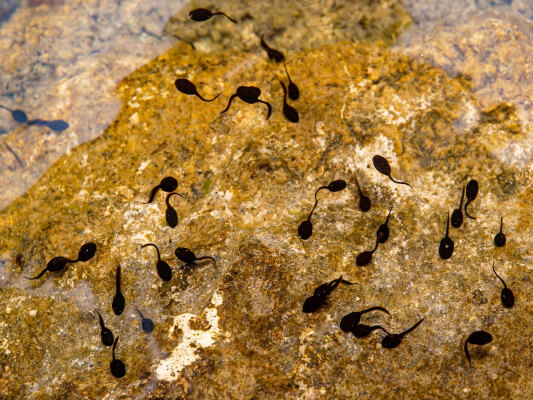
 As the Common Toad is largely nocturnal, look out for adults at night hunting for prey around the canal edges; in the day, sleeping somewhere damp, sheltered and shaded. Tadpoles will be found in the water during early spring.
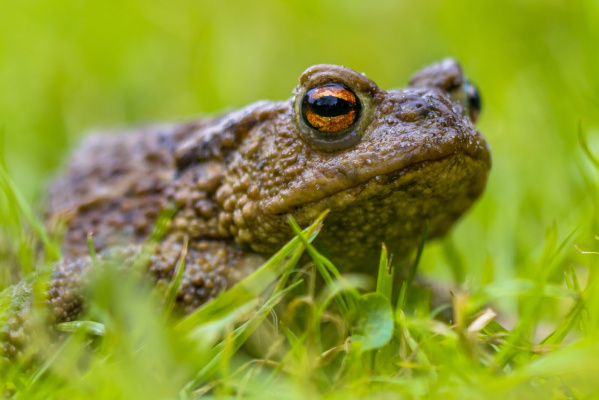
These olive-brown coloured amphibians breed in ponds and other water bodies, such as the Montgomery Canal, during spring, but spend most of the rest of the year feeding in woodland, gardens, hedgerows and tussocky grassland.
In the colder months, they over-winter, under stones, in old flower pots, in mud or compost or under log piles to conserve energy. Common Toads tend to breed in larger, deeper ponds than Common Frogs '' this is because toad tadpoles contain toxins, making them unpleasant for predators to eat, so they can survive in ponds containing fish that would eat frog tadpoles. Adult toads also have these toxins, in their sweat glands, which make a good defence mechanism.
Toad-spawn looks quite different to frog-spawn as it's laid in long strings around aquatic plants, rather than in clumps. Toads are famous for migrating en masse to their breeding grounds, a journey they usually make on the first warm, damp evenings of the year '' sometimes with the assistance of 'toad patrols', kind volunteers who help the amphibians cross roads safely.
Common Toads usually eat slugs, snails and other invertebrates, making them popular with gardeners, but larger specimens have been known to eat Slow Worms, Grass Snakes and even Harvest Mice.
While some people get confused between frogs and toads, they're actually very different. They have warty, olive brown skin, copper eyes, short legs and walk (or crawl) rather than hopping.